
What Makes Travel Tracker Apps Your Secret Travel Weapon
Think of that friend who glides through airports, never misses a flight, and somehow discovers the coolest hidden spots. They’re organized, prepared, and seem to have a sixth sense for travel. That’s the power you unlock with a travel tracker app, your digital co-pilot for smoother adventures. These apps aren’t just about itineraries anymore; they’re about transforming stressful trips into enjoyable journeys.
These apps have come a long way from basic digital calendars. They’ve evolved into smart systems that anticipate your needs, recommend the best routes, and even uncover those off-the-beaten-path experiences you’d otherwise miss. It’s like having a network of trusted friends whispering insider tips throughout your trip, personalized just for you. This represents a real shift in how we travel, going from simply reacting to problems to proactively discovering opportunities.
Imagine touching down in a new city after a red-eye flight. Instead of frantically searching for Wi-Fi to access your hotel booking, your travel tracker app has it readily available offline. Need the closest metro station? Boom, it’s right at your fingertips. This instant access to key info takes the edge off and allows you to explore new places with confidence.
This screenshot from TripIt shows how these apps pull all your travel information – flights, hotels, rental cars – into one clean, organized view. The visual layout makes it easy to find what you need in a second, freeing you from juggling multiple confirmations and messy itineraries.
The growing popularity of these apps reflects a larger change in how we travel. The travel app market is booming, generating $629 billion in revenue in a recent year, a 13% jump from the year before. With over 850 million people using travel apps worldwide in 2023, it’s clear travelers value having a central, easy-to-use hub for managing their trips. Discover more insights on the travel app market. But with so many apps out there, how do you pick the right one? Let’s explore the key features that separate the truly great travel tracker apps from the rest.
From Paper Chaos To Digital Brilliance: The Travel Tech Revolution
Remember lugging around those heavy travel folders, overflowing with printed emails, confirmations, and handwritten notes? It wasn’t that long ago, but it feels like a different era. Thankfully, technology has come to the rescue of weary travelers. The evolution from that analog chaos to the sleek efficiency of today’s travel tracker apps is a fascinating story of innovation.
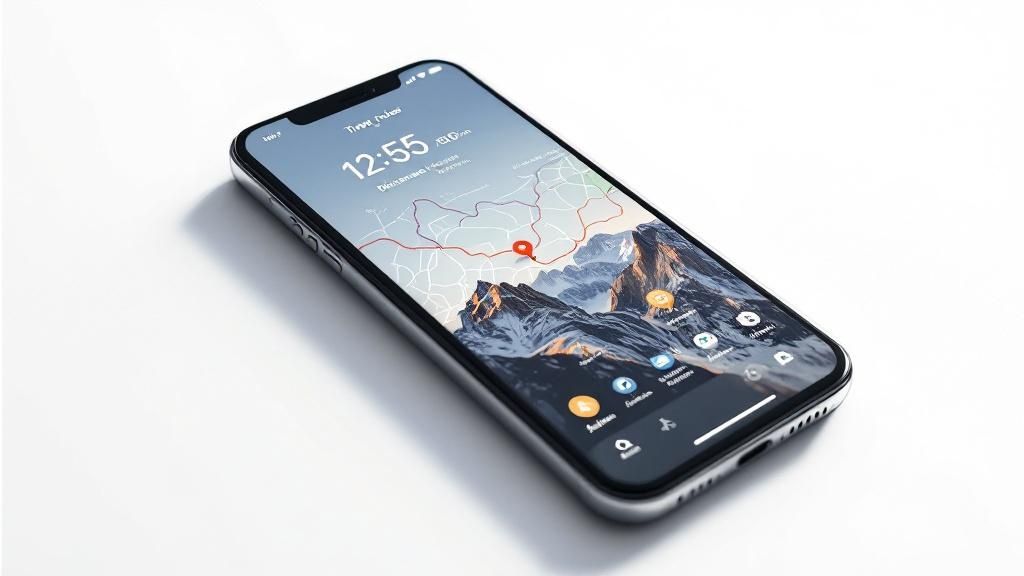
This screenshot from Wikipedia gives us a peek behind the curtain of mobile app development, the very process that brings travel tracker apps to life. Notice the different stages – planning, design, development, testing, and deployment. Building a smooth, user-friendly app is a complex undertaking. This rigorous process helps explain why some travel apps are a joy to use, while others…well, let’s just say they leave room for improvement.
Think back to the first flight tracking websites. Compared to shuffling through papers, they were a breath of fresh air, but they were still pretty basic. Then smartphones arrived, and suddenly, managing travel details went from a logistical nightmare to something you could handle on the go. This wasn’t just about adding fancy features; it was about solving real problems for travelers.
The Rise of the Travel Tracker App
Let’s picture Sarah, a management consultant who’s constantly hopping between cities for meetings. Before travel tracker apps, her life was a blur of paper itineraries and endless checking of confirmations. Now, she effortlessly manages intricate, multi-country trips from her phone, adjusting to last-minute changes without breaking a sweat.
Or consider the Rodriguez family. Imagine their teenage son getting separated from them in a crowded European city. A terrifying thought, right? With shared itineraries and real-time location sharing through their travel app, what could have been a crisis became a minor blip. Peace of mind, delivered via technology.
Even budget-conscious backpackers like Marcus benefit. He uses expense tracking and local discovery features to make his travel funds stretch further, experiencing more without overspending. These real-world examples show how travel tracker apps have become game-changers for all types of travelers.
The Evolution of Essential Features
Smartphones did more than just digitize paper documents. They opened up a world of possibilities for features that truly enhanced the travel experience. Think instant access to your boarding pass even when you’re offline, real-time flight updates that keep you in the loop, and smooth integration with other travel services. These features went from being nice-to-haves to must-haves.
But not all features are created equal. Some, like automated itinerary builders, quickly became essential, while others, like augmented reality overlays, just didn’t catch on. The key to success? Focusing on what travelers actually need, not just chasing the latest tech trends. The best travel tracker apps today take this a step further, offering personalized recommendations and proactive assistance. They anticipate your needs, suggesting alternative routes during flight delays or offering local tips based on your interests. This shift from reactive to proactive support is what sets the modern travel tracker app apart.
Essential Features That Actually Matter When You’re On The Road
Not all travel tracker apps are born equal. Some have bells and whistles that look impressive in screenshots but don’t hold up in real-world travel scenarios. Knowing which features will actually save your trip (versus just looking fancy) can make all the difference when flights get canceled, hotels misplace reservations, or your carefully laid plans go sideways. Let’s cut through the marketing hype and focus on what truly matters when you’re on the move.
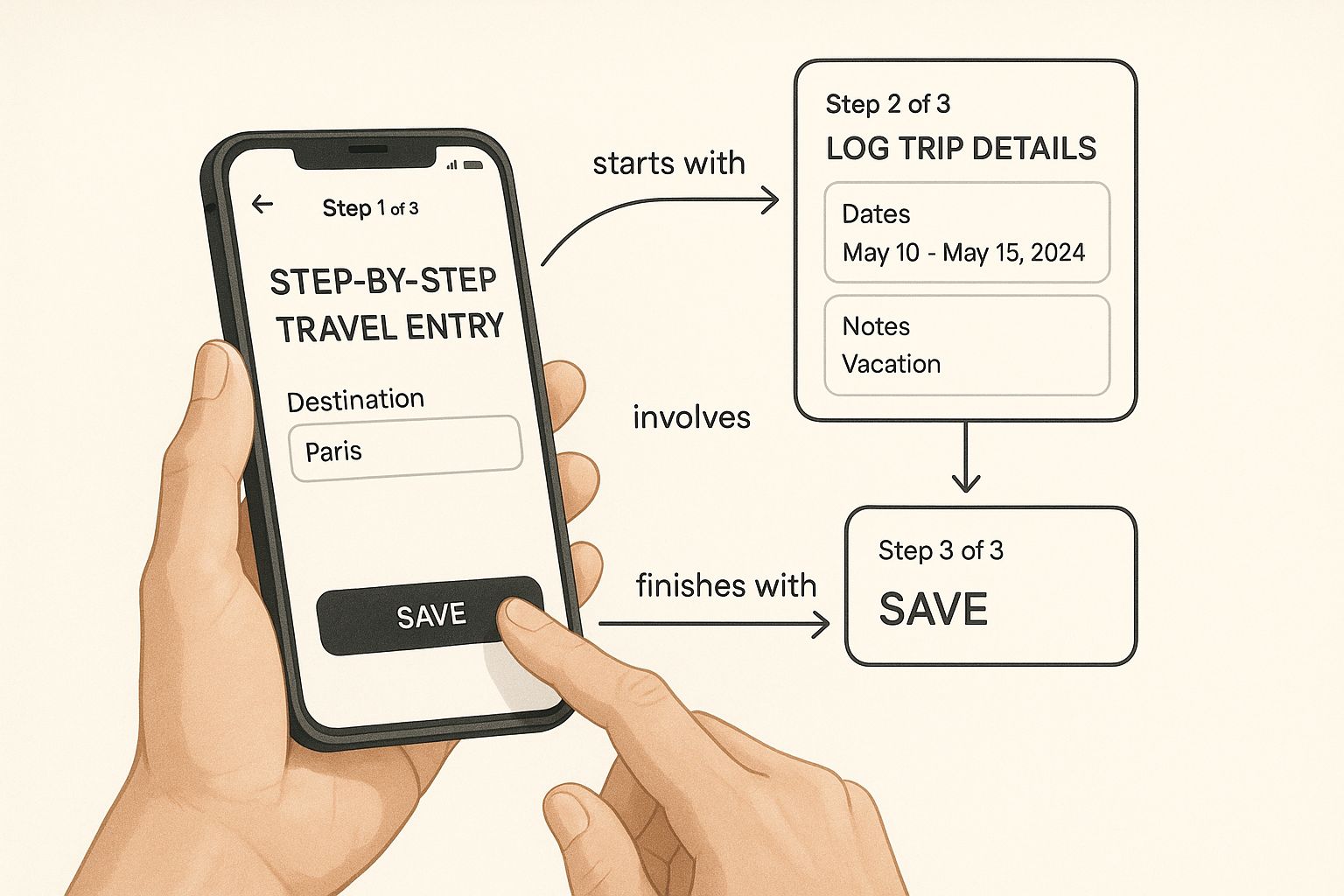
This infographic showcases the power of a minimalist design. Think of it like the dashboard of a well-organized car – everything you need is within easy reach. A clean, uncluttered interface in a travel tracker app lets you quickly input your trip details, from picking your destination to logging and saving all your important information. This simplicity becomes invaluable when you’re juggling the stress of unexpected travel hiccups.
Must-Have Features for Every Travel Tracker App
Your travel tracker app should be your digital Swiss Army knife, equipped with the essential tools you need at a moment’s notice. These core features are more than just window dressing; they’re your lifeline when travel throws you a curveball.
- Offline Access: Picture this: you land in a new country, your phone has no Wi-Fi, and you desperately need your hotel confirmation. Offline access is your backup plan when connectivity goes AWOL. It lets you access crucial documents, from boarding passes to booking details, no matter where you are.
- Real-Time Updates: Flight delays, gate changes, and unexpected schedule shifts are all part of the travel game. Real-time updates are your eyes and ears on the ground, sending instant notifications about any changes that could impact your journey.
- Itinerary Management: More than a simple digital to-do list, itinerary management brings all your trip components together – flights, hotels, rental cars, tours – into a single, organized hub. This centralized system streamlines your planning and provides a clear overview of your entire adventure.
- Trip Collaboration: Traveling with a group? Trip collaboration lets everyone access and contribute to the itinerary, ensuring everyone stays in sync. This shared view eliminates confusion and keeps everyone updated with the latest information.
This screenshot from Kayak Trips shows how a well-designed interface can transform a complicated itinerary into a manageable overview. It’s like having a bird’s-eye view of your trip, allowing you to easily manage all the moving parts.
Beyond the Basics: Features That Enhance Your Journey
While the essentials are crucial, certain features elevate a travel tracker app from helpful to indispensable. These additions, although not strictly required, can greatly enrich your travel experience and provide a deeper level of support.
- Expense Tracking: Keeping track of your spending on the road can be a hassle. Integrated expense tracking simplifies budgeting and prevents those post-trip financial surprises.
- Document Storage: Passports, visas, travel insurance – these vital documents need to be readily accessible. Secure document storage within the app acts like a digital safe for all your important paperwork.
- Offline Maps and Navigation: Getting lost in an unfamiliar city can quickly derail your plans. Offline maps and navigation give you a sense of direction even without internet access, empowering you to explore with confidence.
- Customizable Alerts: Not all notifications are created equal. Customizable alerts give you control over which updates you receive, filtering out the noise and highlighting the information that matters most. For more information on how location tracking can enhance your travels, take a look at this: Check out our guide on location history apps.
The right travel tracker app is more than just a planning tool; it’s your trusted travel companion. By understanding which features truly make a difference, you can choose an app that empowers you to navigate any travel challenge with confidence and ease.
To help you further evaluate different travel tracker apps, let’s look at a comparison of essential and premium features:
The table below, “Essential vs. Nice-to-Have Travel Tracker Features”, breaks down core functionalities against premium offerings and provides a user priority rating based on general traveler feedback. This will help you discern which features are truly essential and which ones fall into the “nice-to-have” category.
| Feature Category | Essential Features | Premium Features | User Priority Rating |
|---|---|---|---|
| Itinerary Management | Flight, hotel, and activity tracking | Customizable activity templates, shared itinerary editing | High |
| Real-time Updates | Flight status alerts, gate change notifications | Destination-specific travel advisories, weather alerts | Medium |
| Offline Access | Boarding pass and booking access | Offline maps and navigation | High |
| Communication | Trip collaboration, shared notes | In-app messaging, group chat | Medium |
| Financial Tools | Expense tracking | Currency conversion, budget planning tools | Medium |
| Document Management | Secure document storage | Passport/Visa scanning, automatic expiry reminders | Low |
| Safety & Security | Location sharing with emergency contacts | SOS alerts, travel insurance information | Low |
As you can see, features like itinerary management and offline access are highly valued due to their practical impact on travel organization and accessibility. While premium features like advanced communication tools and safety enhancements can be beneficial, they often hold a lower priority for the average traveler. Choosing an app with a solid foundation of essential features is key to a smooth and stress-free travel experience.
Real Travelers, Real Stories: How Apps Transform Different Journeys
Travel tracker apps aren’t just digital accessories; they’re transforming how we experience journeys. Let’s look at a few examples to see how these apps cater to different travel styles. Consider Sarah, a management consultant constantly on the go, juggling flights and meetings across multiple cities in a single week. For her, a travel tracker app is indispensable, keeping her organized amidst constant flight changes and tight connections. It’s her secret weapon for navigating the complexities of business travel.
Then there’s the Rodriguez family, whose European adventure could have taken a disastrous turn. Imagine the stress of a teenager separated from their family in the crowded streets of Rome. Thanks to the real-time location sharing feature on their travel tracker app, they were quickly reunited, saving precious vacation time and avoiding a potential crisis.
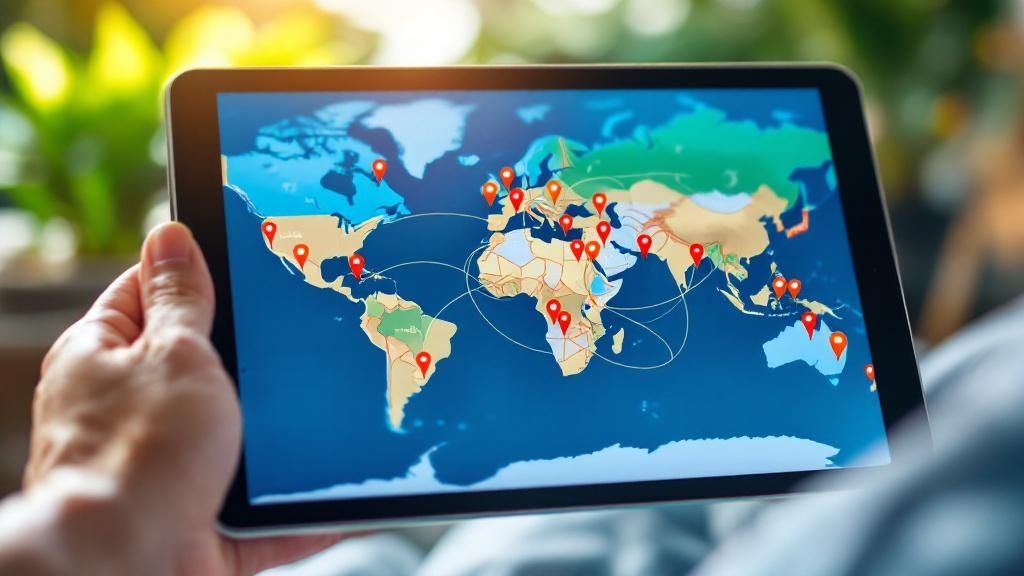
This screenshot from Google Travel showcases how visually appealing and informative these apps can be. All your essential trip details—flights, hotels, even suggested activities—are neatly organized in one place. This centralized hub simplifies travel planning and eliminates the need to juggle multiple apps or websites.
Now, let’s shift gears to Marcus, the budget backpacker exploring Southeast Asia. For him, a travel tracker app is a financial lifesaver. It helps him track expenses and discover local gems, ensuring he gets the most out of his limited funds. Finding affordable food and hidden spots becomes an integral part of his adventure, all thanks to the app. These diverse scenarios demonstrate how the right travel tracker app can truly empower any journey.
How Real-World Experiences Shape App Development
These stories aren’t just interesting anecdotes; they’re the foundation upon which travel tracker apps are built and improved. Developers pay close attention to user experiences, constantly refining features and adding new functionalities based on real-world feedback. For instance, the need for offline access emerged after travelers found themselves stranded without Wi-Fi, unable to access crucial information. Similarly, the importance of collaborative features like real-time location sharing became apparent when families experienced the peace of mind it provided. For a deeper dive into the world of travel trackers, check out this insightful post.
The evolution of travel tracker apps also mirrors broader trends in the travel industry. The rise of group travel, particularly among millennials and Gen Z, has spurred the demand for more specialized apps. In fact, the market value of group travel planning apps, often incorporating travel tracking as a key component, reached $245 million in 2025. This market is expected to maintain robust growth, with a projected CAGR of 8.1% through 2033. For more data on this trend, see this market report on group travel planning apps. These apps address the unique needs of group travelers, offering features like expense splitting, shared itinerary planning, and synchronized trip updates. This surge in popularity highlights the increasing role of technology in shaping the future of travel.
Protecting Your Privacy While Staying Connected On The Road
Your travel tracker app is a powerful tool. It can organize everything from your flight details to your dinner reservations. But this convenience has a trade-off: your privacy. These apps often know where you sleep, eat, and explore, creating a delicate balance between helpfulness and potential overreach. Understanding this balance is key for every traveler.
It’s important to take steps to protect your digital footprint. This section explores the data these apps collect, how it’s used, and how you can stay safe without sacrificing helpful features.
Understanding Data Collection and Usage
Think of your travel tracker app as a knowledgeable concierge. To give you personalized recommendations, it needs information about your preferences and travels. This might include your location, travel dates, booking details, spending habits, and even the activities you enjoy. This information helps create a seamless travel experience. However, it also raises important questions about how this data is used and protected.
For instance, some apps might use your location data to give you real-time traffic updates or suggest nearby restaurants. This can be incredibly useful. But it’s also important to be aware that this data could be shared with third-party advertisers. It might even be used to build targeted advertising profiles. Similarly, the app could analyze your spending habits to offer personalized travel deals, but this same information could be sold to marketing companies.
Taking Control of Your Privacy Settings
The good news is you don’t have to choose between convenience and privacy. Most travel tracker apps let you customize your privacy settings. This gives you control over your data. These settings range from limiting location tracking to turning off personalized recommendations. It’s like adjusting the blinds in your hotel room—you choose how much you reveal.
This screenshot from Apple’s support website shows you how to manage location services for individual apps. It visually demonstrates how you can fine-tune your privacy, only granting access to features you’re comfortable with. Carefully reviewing these options helps ensure your travel app only accesses the data it actually needs.
By understanding these settings and how they affect your app’s functionality, you can balance personalized assistance and data protection. You can make informed decisions about your digital privacy and still enjoy the benefits of a well-organized travel experience. For more information on location data privacy, read also: Location Data Privacy.
Traveling Across Borders: International Data Laws
International travel adds another layer of complexity to data privacy. Different countries have different rules about data collection and use. What’s acceptable in one country might be a privacy violation in another. Understanding these differences is essential for protecting your information abroad. This means researching the data privacy laws of your destination and adjusting your app settings accordingly.
Also, think twice about using public Wi-Fi to access your travel tracker app. These networks can be vulnerable to hacking, potentially exposing your sensitive information. A Virtual Private Network (VPN) adds a layer of security by encrypting your data and masking your IP address. This protects your privacy, particularly when using public Wi-Fi in countries with weaker data protection laws. By managing your privacy settings and being cautious on public networks, you can minimize risks to your data while traveling internationally.
Navigating The Travel App Jungle: Understanding Your Options
Picking a travel tracker app can feel like trying to find a specific tree in a dense rainforest. So many apps, all claiming to be the one. But the truth is, different apps have different strengths and cater to different travel styles. This guide helps you cut through the noise and find the app that’s right for you. We’ll explore the familiar faces, the exciting new kids on the block, and the specialist tools for every kind of traveler.
Understanding the Travel App Ecosystem
The world of travel apps is constantly changing and growing, fueled by our ever-increasing need for smooth and efficient travel planning. Knowing what kind of apps are out there is the first step to finding the perfect fit.
- Comprehensive Travel Planners: Think of these as your all-in-one travel toolkit. They handle everything from booking flights and hotels to organizing your itinerary and keeping track of your spending.
- Specialized Travel Trackers: These apps are laser-focused on documenting your journey. They’re great for logging where you’ve been and adding photos, notes, and stories along the way. TripIt, for instance, lets you simply forward your booking emails, and it magically creates a detailed itinerary for you.
- Niche Travel Apps: These apps are designed for specific travel tribes, whether you’re a backpacker, a budget traveler, or part of a group adventure. They often have unique features tailored to those particular communities. Splitwise, for example, makes sharing expenses on group trips a breeze.
This screenshot shows how TripIt keeps everything organized in one place. Notice how easy it is to see your flight details, hotel reservations, and other bookings at a glance. This centralized view is especially useful when you’re juggling a complicated itinerary.
Choosing the right travel tracker app depends on a few things: your travel style, your comfort level with technology, and your budget. Some apps are free but show ads. Others offer premium subscriptions for extra features and an ad-free experience. What’s popular in one part of the world might be unheard of in another, reflecting the diversity of travel and the needs of travelers from different cultures.
The Business of Travel Apps
Just like any business, travel apps use different models to make money, and this impacts what you get as a user. Understanding these models can help you pick an app that aligns with your preferences.
- Free, Ad-Supported Apps: These apps are free to use, but they show you ads to generate revenue. The trade-off for free access is a potentially less smooth experience and possible privacy concerns related to data collection for targeted advertising.
- Freemium Apps: These offer basic features for free, but you can unlock more advanced features with a paid subscription. It’s a good balance between accessibility and getting more out of the app.
Paid Apps: You pay upfront for these apps, but they usually offer a more complete set of features and no ads. This often means a cleaner, more focused user experience.
Subscription-Based Apps: These apps charge a recurring fee, giving you ongoing access to features and updates. This often encourages developers to keep improving the app and adding new things.
To give you a sense of how big this industry is, the travel and tourism app market was valued at about $650.7 billion in 2024. It’s projected to reach a staggering $3,552.7 billion by 2034, growing at a CAGR of 18.5%. Explore the full market analysis. This incredible growth shows how important travel tracker apps are becoming in our digital world.
Let’s take a look at the market breakdown:
To illustrate regional differences in the market, we’ve compiled the following table:
Travel App Market Share by Region and Platform
Statistical breakdown of travel app adoption, revenue, and user preferences across different regions and device platforms
| Region | Market Share | Revenue (Billions) | Dominant Platform | Growth Rate |
|---|---|---|---|---|
| North America | 35% | $227.7 | iOS | 16% |
| Europe | 28% | $182.2 | Android | 19% |
| Asia Pacific | 22% | $143.1 | Android | 22% |
| Latin America | 10% | $65.1 | Android | 25% |
| Rest of World | 5% | $32.6 | Android | 15% |
This table gives a snapshot of how travel apps are used and how much revenue they generate in different parts of the world. It highlights the dominant platform and the projected growth rate for each region. As you can see, while North America currently holds the largest market share, other regions, particularly Asia Pacific and Latin America, are experiencing rapid growth. This data emphasizes the global reach of the travel app market and the different dynamics at play in each region.
Finding Your Perfect Travel Tracker App Match
Choosing the right travel tracker app doesn’t have to be a gamble. Forget the flashy ads and focus on what you need. Think of it like picking the right shoes: you wouldn’t wear stilettos on a hike. Likewise, a complicated app built for a world traveler might be too much for a simple weekend trip.
This screenshot from the Google Play store shows just how many travel tracker apps are out there. It’s a bit overwhelming, right? Each app has its own features and look. To navigate this crowded space, you need to know what you’re looking for.
This huge selection underscores why you need a smart way to find the right app. Without a plan, you’ll likely download a bunch of apps before finding “the one.”
Matching Your Travel Style to App Features
Different travelers have different needs. Someone taking a few trips a year has different priorities than someone traveling the world full-time. Let’s look at a few examples:
The Business Traveler: Frequent flyers need an app that makes their lives easier. Real-time flight updates, automatic itinerary imports from email, and links to other business tools are important. Expense tracking and secure document storage can also be very helpful.
The Family Traveler: For families, it’s all about coordination. Shared itineraries, real-time location sharing for safety, and maybe even in-app messaging are key to keeping everyone on the same page.
Testing and Evaluating Your Options
Don’t just trust the app’s description. Test it out! It’s like a test drive before buying a car. Download a few apps that look promising and use their free trials to see how they work.
By following these steps, you can find a travel tracker app that fits your travel style, makes your trips better, and helps you handle any surprises along the way.
Ready to make travel easier and ditch the stress? Try Acti, an intuitive iOS app designed to capture and revisit your adventures. Download Acti now and start documenting your journeys easily and privately.
Leave a Reply